Franchise and Distribution Agreement Lawyer Sydney
Franchise agreements commit you to years of fees, obligations, and restrictions before you see whether the model actually works for you. Before you sign, and before you expand through either a franchise or distribution model, get advice on what you are committing to and what the 2025 regulatory changes mean for your position.
Recognised for Excellence in Business & Commercial Law
Verified 5-Star Reviews
5-Star Google Rating
Trusted by 300+ Australian Businesses
Highly Recommended by Clients
The Most Important Decision Is the One You Make Before Signing
The most common situation: a prospective franchisee receives a franchise agreement and a disclosure document, feels time pressure to sign during the 14-day window, and does not have either document reviewed. Six months later, they are in a dispute about territory rights they believed were exclusive, royalty calculations they did not understand, or marketing levies that were not clearly disclosed. The agreement they signed says something different from what they were told. High-profile cases involving 7-Eleven, Retail Food Group, and Nando’s have shown how badly this can go when franchisees are locked into costly agreements with no way out.
At Leo Lawyers, we advise franchisors, franchisees, distributors, and suppliers across the full range of franchise and distribution agreements. Since 1 April 2025, the new Franchising Code of Conduct under the Competition and Consumer (Industry Codes – Franchising) Regulations 2024 has significantly changed the rules governing franchise relationships in Australia. If your agreement was entered into, renewed, or transferred after that date, different obligations now apply. We advise on both the old and new Code and act in disputes when the relationship breaks down under either regime.
Our franchise and distribution agreement services cover:
Franchise agreement review before signing – franchisee and franchisor perspective
Franchise disclosure document review during the 14-day pre-signing period
Advising on the new Franchising Code of Conduct 2025 obligations
Territory disputes – exclusive territory encroachment and online channel conflicts
Termination disputes and compensation under the new Code
Drafting and reviewing distribution agreements – exclusive, selective, and non-exclusive
Distribution territory rights including e-commerce and marketplace carve-outs
Master franchisee agreements and sub-franchising structures
Franchise and distribution disputes – ASBFEO mediation and litigation
Franchise and Distribution Agreement Lawyer Sydney
Over 18 Years of Experience in Commercial Law and Business Agreements
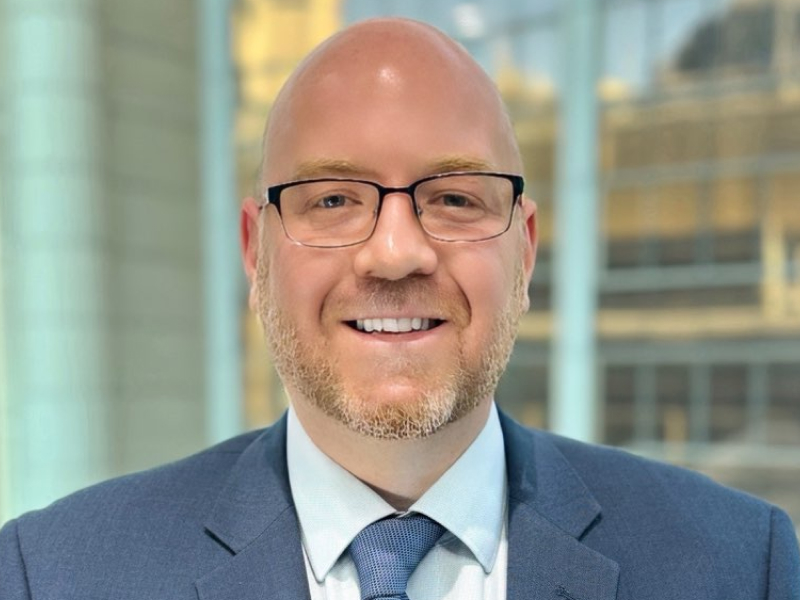
Damin Murdock has advised franchisees entering franchise networks, franchisors expanding their systems, and manufacturers establishing distribution networks across Australia. He has reviewed franchise agreements where the disclosure document understated true costs and the agreement gave the franchisor unilateral termination rights with limited grounds for challenge.
He has acted in territory disputes where franchisors opened competing outlets inside what franchisees believed was their exclusive zone, and in royalty disputes where the calculation basis changed without adequate disclosure. Mr Murdock has also acted in various Federal Court matters dealing with misleading and deceptive conduct where a franchisor has made misleading or deceptive statements about future matters (such as unverified projections and forecasts regarding earnings). His approach to franchise and distribution work starts with the question every client should ask before they sign: what happens if this relationship goes wrong?
“Help you stay ahead with innovative, practical and commercial advice.”
Damin has once again proven himself as an invaluable, professional and fair lawyer. He honoured his fixed price quote despite the hours exceeding what we expected and fully delivered the outcome I was after for my capital raise. 10/10 would recommend using Damin if you're a startup looking for the right advice.
Ben D
★★★★★
Excellent and responsive review of our SAFE note and Directors Resolution to get this in place and circulated Commercial Law
Richard Savoie
★★★★★
Damin is a perfect blend of deep experience, attention to detail, and awareness of the 'big picture' when it comes to helping startups with legal matters.
Marcus Tehan
★★★★★
Damin's legal support, advice, knowledge, professionalism is highly commended, and always willing to go the extra mile, highly recommend.
Luke Muscat
★★★★★
Damin was a great help and his business advice was outstanding. Will be working with him in the future on all our legal matters.
Jason Jin
★★★★★
Great experience and excellent legal advice! We had a consultation with Damin on our shareholder agreement. Damin is super helpful and provided tons of good advice to us. Damin is very patient to break down the legal jargon, and takes the time to understand our needs, and provides tailored advice for our start-up. I would highly recommend Damin to other entrepreneurs.
Katie
★★★★★
Damin quickly understood the nature of the issue we were seeking advice on. From there he was able to provide the key areas of consideration, not just on the strength of our case, but also on some tactical and strategic options for closing the matter out. In short, Damin rapidly provided the information we needed make a decision and move forward.
Allister Samasuwo
★★★★★
Another great experience. I'm very satisfied after working with Damin again. His knowledge and attention to detail stands out.
Jason
★★★★★
Amazing as always! Damin spent well over the allocated time to ensure all our questions were answered and requirements met. He is an absolute champion and at the top of his game. Thanks as always!
George Mariasson
★★★★★
Exceptional! Damin showed a great knowledge of the relevant laws I needed for a startup I am creating. I really appreciated his ability to express what seems esoteric to me into simple to understand instructions. Thank you!
Elena
★★★★★
Great Experience! This is my second engagement with Damin and as usual the process was seamless. He is professional and prompt with responses and went above and beyond to ensure that all of the risks were covered. I would highly recommend him and no doubt we will be engaging him again.
Kurt
★★★★★
I needed to review and refine my Client Agreement, Terms & Conditions, Indemnity Waiver and Privacy Policy due to the impact COVID-19 had on my business. Damin and his Team where very helpful in initially finding out exactly what I needed and within a very short space of time, I had documents which where refined and completed with quality. I would not hesitate to recommend him or his team. Efficiency and Quality without the issues.
Adam
★★★★★
Easy & Helpful in Drafting Our Contract.
The document Damin and his team created was just what was needed and tailored perfectly around my requirements. I learned quite a lot in the process as they patiently addressed my questions. Highly recommended.
Barry
★★★★★
Excellent Knowledge and process. Damin really took a grasp of what we required and developed our requirements into an excellent set of documents. He was very patient and gave more than allocated time to get us to our desired outcome. We will be definitely using him for further requirements as they arise. Thanks Damin.
David Hammat
★★★★★
Ive used Damin twice and both times he has been, fantastic! He is skillled and experienced and that really helps guides the process smoothly. Both times hes been incredible reasonable in the fee that hes charged.
Ricardo Medeiros
★★★★★
Leo Lawyers were outstanding—prompt, professional, and generous with their expertise. I contacted them about a WhatsApp impersonation matter and they provided clear next steps and reassurance at a stressful time. Their communication was fast, thoughtful, and easy to understand. I wouldn’t hesitate to recommend them.
Michelle McKenzie
★★★★★
"Damin's analysis of a pressing Strata issue- demonstrates:
1. His responsive approach
2. Guidance and extensive knowledge of NSW SSMA Legislation
3. A clear way forward as to strengths & (weaknesses) of my case combined with probable outcomes.
His helpful counsel was administered without cost.
Thank you Damin. I appreciate your kindness."
Dean Tomich
★★★★★
Very professional and knowable Law Firm. Full recommendation
Elizabeth Nicholson
★★★★★
Leo Lawyers, led by Damin Murdock, are exceptional. Damin is highly knowledgeable in corporate law and an expert litigator who provides clear, practical advice. His quiet confidence and genuine care make you feel completely supported. The firm’s size means you deal directly with senior people who know your matter inside out. I would highly recommend Damin and Leo Lawyers for anyone needing expertise in Commercial, Technology or Construction Law, or a strong litigator.
Kimberly Gundani
★★★★★
Damin is amazing—knowledgeable, responsive, and genuinely committed to his clients. He guided me through every step of my case with clear, concise advice, handled all negotiations on my behalf, and delivered an outstanding outcome beyond my expectations. His attention to detail and warm, professional manner made a stressful process feel seamless. I couldn’t recommend him more highly to anyone seeking top-tier legal support.
Chris Kasputtis
★★★★★
I've engaged Damin for many years now for a variety of legal issues in business. Well versed in areas of commercial law, great communicator, negotiator and prompt to respond to inquiries.
Eila Jameson-Avey
★★★★★
I was a nervous wreck by the time I was referred to Damin with a possible court case pending. He was calm and had a good knowledge of my unique case. And I know should I require his services in the future he will supply a professional and sound counter, which makes me feel secure and relaxed regardless of what may present legally.
Our Franchise and Distribution Agreement Services
1. Franchise Agreement Review, Before You Sign
A prospective franchisee receives a franchise agreement and a disclosure document. Under the new Franchising Code of Conduct 2025, the franchisor must provide both at least 14 days before signing. That window is the most important in the entire process. We review the agreement clause by clause and focus on the provisions that create the most exposure: the complete fee structure including the initial franchise fee, ongoing royalties, marketing levies, and any technology or training fees buried in schedules; territory rights and whether they are genuinely exclusive or subject to franchisor override, including for online and marketplace sales; renewal rights and whether the franchisee has a right to renew or merely an option the franchisor can decline and the new Code’s restrictions on restraints of trade when renewal is refused; and termination provisions and the new mandatory compensation requirements if the franchisor terminates early. We deliver a written summary and advise on what to negotiate before you sign.
2. Territory Disputes
The most common franchise dispute we see after signing: a franchisee believed their territory was exclusive. Then the franchisor opened a new outlet nearby, appointed another franchisee in an overlapping area, or started selling through a website or marketplace that competes directly with the franchisee’s customer base. Who is right depends entirely on what the franchise agreement says about territory. Some agreements grant strict geographic exclusivity. Others use vague language like ‘primary trading area’ or carve out online sales entirely. E-commerce territory conflicts are now among the most contested issues in Australian franchise law because most older agreements were drafted before online sales were a significant channel. We assess the agreement, advise on whether a breach has occurred, and act in negotiations and dispute resolution proceedings.
3. Termination and Exit
A franchisee wants to exit before the term ends, or has received a termination notice and does not know whether it is valid. Under the new Franchising Code of Conduct 2025, the rules on termination have changed. Franchisors can now terminate on 7 days’ notice for serious misconduct, with no right to dispute resolution available to the franchisee in those circumstances. In all other termination situations, the franchisee retains the right to raise a dispute through the ASBFEO before proceedings commence. Critically, the new Code introduces mandatory compensation requirements where the franchisor terminates early in certain circumstances, and removes the franchisor’s ability to enforce a restraint of trade clause where the franchisee sought renewal, and the franchisor refused. We advise on whether a termination is valid, what compensation rights exist under the new Code, and whether the restraint clause can be challenged.
4. Royalty and Fee Disputes
Disputes about the calculation of franchise royalties and marketing levies are among the most frequently raised complaints in the Australian franchise sector. Common situations include a franchisor changing the royalty calculation basis from net to gross revenue without clear disclosure, marketing levies being applied to revenue streams not contemplated in the original disclosure document, and franchisors removing franchisees from sales groups or revoking access to shared promotions. Under the new Code, franchisors who collect funds for common purposes, including what were previously called marketing funds, now have expanded disclosure and accounting obligations. We advise franchisees on whether their royalty and levy obligations reflect what was disclosed and act in disputes where the calculations do not match.
5. Distribution Agreement Drafting and Review
A manufacturer or supplier appointing a distributor faces the same foundational problems as a franchisor: ambiguous territory definitions, no minimum performance obligations, and unclear termination rights. Real disputes in distribution agreements arise over whether the distributor’s exclusive territory covers online and marketplace sales (most older agreements say nothing about this), who owns customer data collected during the distribution relationship, what happens to unsold stock when the agreement ends, and whether the supplier can terminate for convenience or only for cause. We draft distribution agreements that address these real friction points and protect both the supplier’s brand and the distributor’s commercial investment. We also review existing agreements when a distribution relationship is breaking down and the parties disagree about what the contract says.
6. Expanding Through a Franchise or Distribution Model
A business that has built a successful model is considering whether to grow through franchising, distribution, or a combination. Franchising triggers the full obligations of the new Franchising Code of Conduct 2025, including mandatory disclosure documents, the 14-day cooling-off period, good faith obligations, and significant penalties for non-compliance. The ACCC was allocated $7.1 million in the 2025 Federal Budget specifically to enforce franchising laws. Distribution avoids the Code’s obligations but requires a well-drafted agreement to protect territory, brand, performance standards, and exit rights. We advise on which model suits the business and draft the agreements that make the structure work in practice. It is also important to know that if you frame a contract as a distribution agreement or licence agreement, it can still be held to be an actual franchise agreement that is subject to the Code.
7. Master Franchisee Agreements
A master franchisee is appointed to develop and manage a franchise network within a defined territory. The master franchise agreement governs what the master franchisee owes the head franchisor, what rights they can grant to sub-franchisees, and what happens to those sub-franchises if the master agreement is terminated. This is one of the most complex commercial documents in franchise law and the consequences of termination flow through the entire sub-franchise network. We advise master franchisees on the obligations they are taking on and draft master franchise agreements for franchisors expanding into new territories or international markets.
Reviewing a franchise agreement under the new 2025 Code or building a distribution network?
The Competition and Consumer (Industry Codes – Franchising) Regulations 2024 replaced the 2014 Code on 1 April 2025. It applies to all franchise agreements entered into, renewed, extended, or transferred on or after that date. Agreements signed before 1 April 2025 remain under the old Code until they are renewed or transferred. If you are reviewing a franchise agreement now, or if your existing agreement is due for renewal, the following changes apply directly to your position.
What Changed for Franchisees
Franchisors must now give franchisees a reasonable opportunity to recoup their investment over the term of the agreement. If a franchisor terminates the agreement early in certain circumstances, mandatory compensation is now required under the new Code. Where a franchisee requests renewal and the franchisor refuses, the franchisor can no longer enforce a restraint of trade clause against that franchisee, meaning the franchisee is free to operate a similar business after exit without restriction. These are substantial protections that did not exist under the 2014 Code.
What Changed for Franchisors
The compliance burden has increased significantly. Franchisors must update their franchise agreements and disclosure documents to reflect the new Code requirements. Penalties for non-compliance have increased, with the ACCC allocated $7.1 million in the 2025 Federal Budget to enforce franchising laws actively. The ASBFEO (Australian Small Business and Family Enterprise Ombudsman) now has the power to publicly name and shame franchisors who refuse to meaningfully engage in, or withdraw from, dispute resolution with a franchisee. Franchisors who terminate on 7 days’ notice for serious misconduct must ensure the conduct meets the threshold, as this is the only termination circumstance where dispute resolution is not available.
Franchise, Distribution, and Agency - Choosing the Right Structure
Model
How It Works
Key Legal Consequence
Franchise (post-1 April 2025)
Franchisee pays fees to operate under the franchisor's brand and system
Full obligations of the new Franchising Code of Conduct 2025 apply - disclosure, 14-day period, good faith, ASBFEO dispute resolution, increased ACCC penalties
Distribution Agreement
Distributor buys products from supplier and resells on its own account and at its own risk
Distributor takes title and stock risk - no Code obligations but must comply with ACL, competition law prohibition on resale price maintenance
Agency Agreement
Agent finds customers on behalf of the principal - contracts between customer and principal directly
Principal retains title and risk, pays agent a commission - may have Fair Work Act obligations if agent is an individual
Expertise Across Key Industries
Franchise and distribution risks vary heavily based on the product and the market. We execute reviews and manage high-stakes network disputes across Australia’s most heavily regulated sectors.
Fast Food & QSR Networks
Medical & Allied Health Clinics
Automotive & Logistics
Retail & E-commerce Supply
Trades & Services Franchises
SaaS & Tech Distribution
Fitness & Gym Franchises
Real Estate Agencies
Manufacturing & Wholesale
Our Fixed-Fee Review & Dispute Process
We execute our legal strategy with strict, transparent timelines so your commercial momentum is never stalled.
Immediate Strategy Briefing
(1 to 2 Days)
Fixed-Fee Quote Delivery
(Same Day)
Meticulous Document Redlining
(2 to 5 Days)
Strategic Risk Conference
(1 to 2 Days)
Negotiation & Enforcement
(Ongoing)
Who We Work With
We act for prospective franchisees reviewing an agreement during the 14-day pre-signing window, franchisees in dispute with their franchisor over territory, royalties, or termination, and franchisors navigating compliance with the new 2025 Code or seeking to enforce their agreements.
We also act for manufacturers and suppliers establishing distribution networks, distributors reviewing or disputing the terms of their appointment, and businesses deciding between a franchise, distribution, or agency model for their next stage of growth.
Prospective franchisees in the 14-day review period
Franchisees in territory or royalty disputes
Franchisees facing termination or seeking exit
Franchisors updating agreements for the 2025 Code
Manufacturers and suppliers appointing distributors
International brands entering the Australian market
Need a franchise or distribution agreement lawyer in Sydney?
Last Updated on 29/09/2026 by Damin Murdock The Franchising Code of Conduct, under the Competition and Consumer (Industry Code 0 Franchising) Regulations 2024 (Cth), was
Last Updated on 02/07/2026 by Damin Murdock QANTAS has recently come under fire for the appearance of pornographic material on its Facebook page, which was
Last Updated on 02/07/2026 by Damin Murdock An arbitration agreement gives parties a chance to present their contractual disputes for decision by a private tribunal.
Last Updated on 02/07/2026 by Damin Murdock In our article titled Copyright Infringing Drawings & Plans, we discussed situations where there is an implied licence